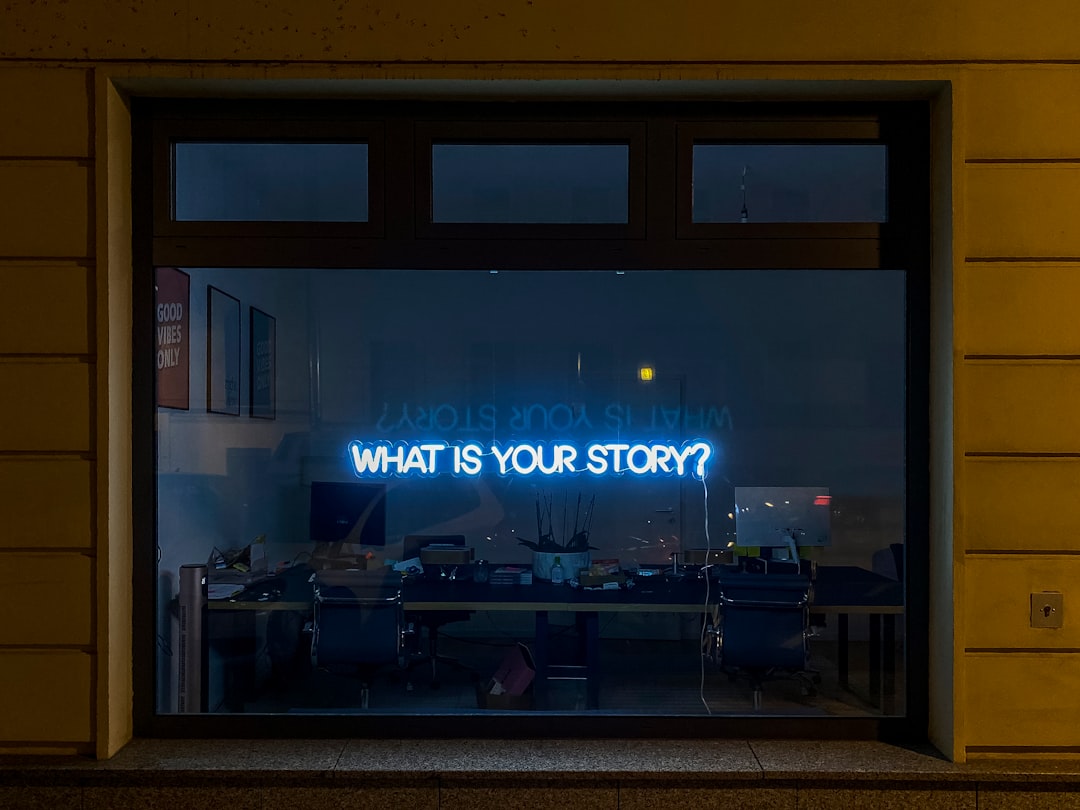
Embracing Vulnerability: Jill Scott's Approach to Authentic Storytelling in Portfolios
How Jill Scott’s vulnerable storytelling can guide creators to build authentic, conversion-focused portfolios.
Jill Scott's music career offers more than great vocals and poetic lyrics — it provides a blueprint for creators who want to build portfolios rooted in vulnerability, honesty, and human connection. This long-form guide translates Jill Scott's storytelling craft into practical portfolio strategies for designers, photographers, videographers, and developers who want to increase authenticity, strengthen personal branding, and deepen audience engagement.
Throughout this article you'll find actionable playbooks, measured comparisons, and references to contemporary creator challenges like AI, monetization, and community trust. For context on the digital side of an artist's presence, see our guide on ensuring your digital presence as an artist.
Pro Tip: Authenticity isn't the absence of polish — it's the alignment between how you present your work and the real human story that produced it. Use storytelling to connect, then design to convert.
1) Why Jill Scott's Storytelling Matters to Creators
Her signature: narrative + intimacy
Jill Scott's songs are miniature narratives. They often begin with a scene — a morning coffee, a late-night thought, a relationship crossroads — then expand into an emotional truth. Creators can use the same scaffolding in their portfolios: open with a moment, offer context, then show the work that flowed from that moment. This technique turns case studies into compelling human stories rather than dry project logs.
Relatability fuels discovery
Audiences discover artists because they see themselves in those stories. Translating this to portfolio strategy improves searchability and shareability. For tactical SEO and distribution that pair well with personal narratives, check our piece on crafting large-scale content strategies to reach new or niche audiences.
Trust through transparency
Jill Scott often shares vulnerability—failures, joys, contradictions—which builds trust. In portfolios, transparency means documenting process, showing honest client feedback, and including before/after visuals. For creators building community-level trust, see lessons from building trust in creator communities.
2) The Anatomy of an Authentic Case Study — Jill Scott Style
Open with a scene-setting hook
Start with a single image or line that captures the mood. Jill Scott frequently begins songs with a sensory detail; portfolios can start with a compelling hero image or a two-sentence anecdote. This primes the reader for an emotional arc before technical details appear.
Show process, not just product
Audiences crave the 'how'. Document sketches, storyboard frames, rehearsal clips, and iteration notes. This mirrors how musicians reveal studio sessions and can be paired with playable samples or short reels. If you want to add immersive experiences to events or releases, the ideas in curating reflective festival experiences provide inspiration for pacing and audience feeling.
Close with the human outcome
End with the impact: how a project changed a client’s business, a community response, or a personal lesson. Use qualitative quotes, metrics, or social screenshots to demonstrate resonance. For guidance on capturing voice and musical essence, review capturing musical essence through quotes.
3) Personal Branding: Weaving Vulnerability Into a Consistent Identity
Define your emotional palette
Artists like Jill Scott maintain a recognizable emotional palette: warmth, introspection, and candor. Turn that into brand rules for your portfolio: tone of copy, photography treatment, and color. These rules help every case study feel like it belongs to the same creative person.
Use micro-stories across touchpoints
Micro-stories — short captions, behind-the-scenes lines, or studio snapshots — extend vulnerability without overwhelming potential clients. Mix these into your contact page, about section, and project summaries. If you email or newsletter fans, tactics in Substack strategies will help you maintain momentum and convert passive readers into leads.
Visual consistency meets personal anecdotes
Balance consistent design with small, humanizing details: a candid portrait, an early sketch, or a voice memo transcript. These tell visitors who you are before they even click ‘contact.’ For pairings of technology and identity, see practical uses of AI for brand coherence in using AI technology to create a harmonious brand identity.
4) Storytelling Formats That Work on Portfolios
Long-form case studies
Ideal for high-value clients and complex problems, long-form case studies let you explain context, process, iterations, and outcomes. They're analogous to album tracks that evolve and reveal. Use them to demonstrate depth and to explain tradeoffs made during a project.
Mini narratives for scannability
Not every visitor will read long text. Use 2–3 sentence summaries plus a CTA to the full case study. This functions like releasing singles before an album — short, shareable insights that encourage deeper exploration.
Multimedia timelines
Combine images, audio snippets, short video, and captions into an interactive timeline showing project evolution. This format is powerful for musicians and filmmakers, and it maps directly to collaborative projects like musicians-developers co-creation.
5) Turning Vulnerability Into Trust Without Oversharing
What to reveal — and what to keep private
Boundaries are essential. Share process and emotion, but avoid confidential client data and personal details that create risk. If you anticipate controversy or sensitive topics, review strategies in handling controversy to protect your brand while staying authentic.
Use third-party validation
Client quotes, press mentions, and user testimonials lend credibility to vulnerable accounts. This balance — personal story + external validation — is how creators convert empathy into leads. For framing your content economics, read pricing and economics guidance to set fair expectations for paid work.
Design for consent and safety
If your story involves other people, get permissions for names and images. Present personal narratives in a way that respects subjects, and keep a clear archive of approvals. Using local media ties can help manage community impact; see local media’s role for community-aware storytelling.
6) Practical Portfolio Templates Inspired by Music Storytelling
Session-to-Stage — a stepwise case study
Template structure: Hook (scene) → Challenge → Process (with media) → Outcome → Reflection. This mirrors how songs move from intimate studio moments to public performance. Include timestamps and media so visitors can experience progression in context.
The Behind-the-Track reel
Create a short reel that combines candid clips, captions, and a voiceover that narrates the emotional arc. This is ideal for showing collaboration and creative tension — a format borrowed from music documentary techniques and reality storytelling analysis like in storyboarding dramatic conflicts.
Mini-album portfolio
Group related projects into a themed collection — a 'mini-album'. Each mini-album contains 3–6 projects with a unifying concept, mood board, and an essay about what you learned. This creates depth without overwhelming single-project pages.
7) Measurable Benefits of Vulnerable Storytelling
Engagement metrics to track
Track time-on-page, scroll depth, and conversions from case study pages. Vulnerable content usually increases time-on-page and shares. For creators exploring new monetization or pricing models related to their content, consider insights from the economics of content.
Qualitative feedback loops
Collect feedback via short surveys or comments and integrate testimonials into case studies. This captures the emotional response that numbers can miss. Building community trust helps here — check nonprofit-leadership insights for methods that scale.
Long-term brand equity
Authentic storytelling increases referral likelihood and repeat clients over years. Chart referral sources and lifecycle value to attribute long-term gains to narrative-driven content. For future-proofing your presence in a shifting industry, read about preparing for platform changes at Google’s digital expansion.
8) Tools and Workflows — From Demo Tape to Portfolio Launch
Recording and capturing authentic moments
Keep a simple capture workflow: smartphone audio/video + quick notes app. Time-stamped notes tied to media make case study creation far faster. If your work intersects with events, festival curation content in mindful festival curation shows how pacing and environment amplify stories.
Editing for clarity and emotion
Edit with empathy: cut filler, retain moments that reveal choices. Maintain a short-form (30–90s) and a long-form version for different audiences. For creators working with AI tools in editing or ideation, see the landscape in the rise of AI in content creation.
Publish, monitor, iterate
Publish case studies and monitor via analytics. Revisit older case studies to update outcomes and add follow-ups. If you collaborate cross-discipline, consider partnership case studies inspired by musicians-developers co-creation.
9) Risk, Controversy, and the Creator's Responsibility
When vulnerability invites backlash
Sharing candid stories can provoke criticism. Have a plan for response and escalation. Content that touches politics, health, or safety should be carefully contextualized. Our piece on handling controversy details protective steps for creators who need to balance honesty with risk management.
Navigating platform limits and AI restrictions
Some platforms have rules that affect how personal content is distributed. Prepare backup channels (email, personal website) and understand how AI moderation affects reach. For publishers and creators dealing with restrictions, explore navigating AI-restricted waters.
Ethical storytelling
Ethics matter. Avoid sensationalism, credit collaborators, and ensure that your narrative doesn't exploit vulnerable people. When building collaborative projects that may include technology partners, check ethical frameworks in artist-developer collaborations.
10) Comparison: Story-Led Portfolio Elements (Quick Reference)
Below is a practical comparison table to help decide which storytelling elements suit your goals. Use this to plan pages and prioritize work before a launch.
| Element | Best for | Emotional Impact | Time to Produce | Conversion Power |
|---|---|---|---|---|
| Long-form case study | Complex projects, high-ticket clients | High | Medium–High | High |
| Mini narrative (summary) | Social shares, discovery | Medium | Low | Medium |
| Behind-the-scenes reel | Musicians, filmmakers, photographers | High | Medium | High |
| Interactive timeline | Process-heavy work, case studies with many iterations | High | High | High |
| Mini-album (grouped projects) | Brand/story arcs, thematic portfolios | Medium–High | Medium | Medium–High |
Pro Tip: Start small — choose one long-form case study and three mini narratives. Measure, then expand. This staged approach reduces risk and gives you rapid learning cycles.
11) Case Examples and Quick Wins — Translating Scott’s Moves into Your Portfolio
Example: The candid moment
Take a single candid photo with a 75–150 word anecdote about a turning point in the project. This low-effort piece often outperforms glossy marketing copy because it feels real.
Example: The process sample
Publish 30–60 seconds of uncut process footage with a short caption about a choice you made. These slices are perfect for social and for embedding in project pages to enrich understanding.
Example: Post-project reflection
Three months after a project completes, publish a reflection: what you would do differently, what surprised you. Long-term reflections signal maturity and are often bookmarked by potential clients doing due diligence.
12) Future-Proofing Your Story: AI, Platforms, and Monetization
AI as creative partner, not replacement
Use AI tools to accelerate editing, transcribe interviews, or generate thumbnail options — but keep your voice at the center. For a framework on using AI responsibly in content creation, see insights on the rise of AI.
Platform diversification
Don’t rely on one distribution channel. Maintain email lists and a self-hosted portfolio to avoid algorithmic surprises. Preparing for shifting platform features is essential; review implications at Google’s digital expansion.
Monetization that honors story
Monetize directly: sale of prints, licensing, commission pages, or limited-run offers tied to the story. Pricing and packaging should reflect time and emotional labor; read about creator pricing shifts in the economics of content.
13) Checklist: Turning a Jill Scott Moment into a Portfolio Page
1) Capture
Record the moment with audio, images, and a 60–150 word note about why it mattered. Keep metadata and timestamps to make later production easier.
2) Curate
Choose the strongest media, sequence it for clarity, and decide which details to surface. Use micro-stories for captions and a long-form sidebar for depth.
3) Publish and iterate
Publish the page, link it to your site navigation, and promote via newsletter and social. Monitor performance and add updates as new outcomes appear. If you're building collaborative relationships around your work, the methods in art of collaboration are useful reminders to credit and co-promote.
FAQ — Frequently Asked Questions
Q1: How personal should a portfolio story be?
A: Personal enough to be human, not so personal that it creates liability or discomfort. Share choices, emotions, and lessons — but keep private matters private.
Q2: Can vulnerability hurt my professional image?
A: When framed thoughtfully, vulnerability builds credibility. Avoid sensationalism; align vulnerability with professional outcomes and validation.
Q3: Which format converts best?
A: Long-form case studies and behind-the-scenes reels generally convert best for high-ticket clients. Mini narratives help with discovery and social engagement.
Q4: How do I measure the impact of storytelling?
A: Track engagement metrics (time-on-page, scroll depth), conversion rates, and qualitative feedback. Compare performance before and after adding narrative elements.
Q5: How do I use AI without losing my voice?
A: Use AI for repetitive tasks (transcription, image variants) and preserve your voice for final edits. See high-level AI trends in content at this guide.
Related Reading
- Sundance’s Future: Creating Content Beyond Park City - How festivals and distribution channels are evolving for creators.
- The Rise of Tampering in Sports - Lessons about narrative integrity and adaptation across media.
- Capturing Memories on the Go - Practical gear advice for on-the-move creators.
- Rest in Peace: Cultural Impact of Fashion Icons - How cultural storytelling shapes creative legacies.
- Building Sustainable Brands - Governance and longevity lessons for creator brands.
Jill Scott’s approach is not a formula; it’s a set of principles you can adapt: begin with a scene, show your process, close with human outcomes, and always protect the dignity of the stories you tell. Apply the templates above, test with measurable goals, and iterate to build a portfolio that feels honest and converts.
For creators navigating shifting tools and platforms, consider the broader trends: embrace AI where it reduces friction while defending your voice; diversify distribution to protect reach; and price your work to reflect both craft and story. When you put vulnerability at the center of your portfolio, you create space for deeper connections — the kind of connections that turn visitors into clients, fans, and collaborators.
Related Topics
Marina Ellis
Senior Editor & Content Strategist
Senior editor and content strategist. Writing about technology, design, and the future of digital media. Follow along for deep dives into the industry's moving parts.
Up Next
More stories handpicked for you

The Art of Movement: Incorporating Dance as a Storytelling Medium in Portfolios

The Power of Acquisition: What Future plc's Deal Means for Creators

Designing a High-Performance Content Platform: What Fast Payouts and Live Data Teach Publishers About UX

Reflections in Sound: Capturing the Essence of Your Artistic Journey
How Creators Can Build a Trust Stack: From Transparency Pages to Loyalty-Led Communities
From Our Network
Trending stories across our publication group

How Live-Streaming Creators Can Capitalize on Awards Season Buzz

Crafting a Comeback: Lessons from Victoria Beckham’s Resurgence in Music

From Page to Production: Understanding the Power of Immersive Storytelling

Streaming Success: Strategies to Leverage Oscar Nominations for Audience Growth
Exploring Legacy: How Creators Can Use Historical Narratives in Their Work
